
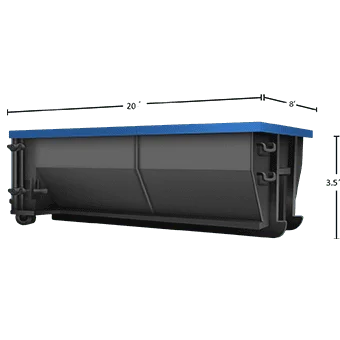
Describe the complete handling route
Give gate widths, tight turns, overhead constraints and relevant surface conditions. Ask for the requirements of the actual truck and container rather than estimating from nominal container capacity. Identify the property contact who can approve the position.
Consider both ends of that movement. The receiving area may be open before work starts and crowded by the time the load is ready to leave. Tell the provider about planned fencing, stored materials or other vehicles along the route, and identify who can keep the approved approach available. The vehicle’s working space is part of the proposal, not an area that can be reassigned as soon as delivery is finished.
Discuss the roll-off format for the actual project, such as a property clearance or work that produces material in stages. The name alone does not specify container capacity, loading features or permitted debris. Give the material and quantity information as well as the route so the provider can assess equipment and disposal together.
Protect the loading and collection area
Keep any door-opening space available and agree surface protection where appropriate. Position temporary toilets and washing away from the handling movement. Follow the provider’s fill and material instructions, and prevent parked vehicles from closing the approach.
Clarify which part of the offered container people may use for loading and what instructions apply. A loading door, if included, has a different purpose from the vehicle’s handling area; neither should be obstructed or improvised after placement. Ask before changing the agreed method, and keep any material awaiting a scope decision separate from the accepted load.
Treat each exchange as a planned movement
For continuing work, explain the likely stages and ask how an exchange is scheduled. Confirm transport, disposal and rental terms for changes. If a public location is proposed, settle the responsible authority’s requirements separately before placement.
An exchange involves the removal of one container and the proposed delivery of another. Identify the stage at which that movement is needed, the expected replacement load and who will provide access. Confirm what is actually available and agreed; continuing work does not automatically create a replacement appointment or guarantee that loading can continue without a pause.
For the final collection, retain the receiving instructions and a contact who can resolve access after the work team has departed. Ask the quote to distinguish the initial hire, any separately agreed movements, disposal conditions and changes to the period on site. If the collection route changes, notify the provider and agree a workable response rather than moving the container to a new position.
Questions before you book
Is a clear parking space enough room?
The vehicle may need additional approach and handling clearance. Have the actual route assessed.
Can a contractor reposition the container?
Discuss any move with the provider. Do not assume ordinary site equipment or customer movement is authorised.
Will the provider empty the container during every service visit?
Agree the actual removal or exchange arrangement. Do not assume a roll-off hire works like a routine small-bin emptying service or includes unrequested movements.
Can a different material go into the replacement container?
Describe it when requesting the exchange. Acceptance of the first load does not establish the disposal conditions for another one.