
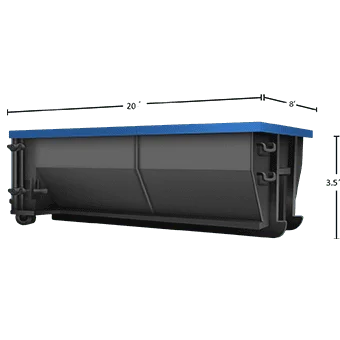
List materials before choosing a size
Separate household contents, renovation debris and heavy materials in the description. Flag uncertain items such as chemicals, batteries, liquids or appliances before loading. Ask the provider to confirm accepted materials and anything requiring separate handling.
A cleanout may involve more than one person loading the same container. Prepare one description that includes the work each person or trade expects to contribute. Clearing stored household items and removing construction material are not automatically the same disposal request. Pass the accepted description to the people doing the loading so a later contribution does not silently change the order.
Explain the likely amount as well as the material. Volume describes the space a load occupies; weight can limit a load even when that space is not full. Ask the provider which offered container and loading conditions suit the combined description. A familiar size name is not enough to decide whether bulky contents, dense debris or a mixture are acceptable together.
Keep the position usable for people and vehicles
Describe the surface, entrance, turning constraints and overhead obstructions. Leave a working area for loading without blocking a restroom, building entrance or shared drive. The provider needs to assess the handling route as well as the space occupied by the box.
Include the way the debris will get into the container: who is loading, where they start and whether the actual equipment has the access feature they intend to use. Confirm a usable position with the property contact and provider rather than assuming container hire includes a crew to carry or sort material. Report a proposed change to the loading method or position before relying on it.
Agree the disposal and rental terms
Ask for the proposed container, loading limits, time on site and collection process. Compare transport, disposal allowances and possible additional charges using the same material list. Request an exchange or revised arrangement before exceeding the accepted load.
Describe when loading starts, whether further work will add to the load and when the property expects to be clear. Ask what hire period has been quoted and how to request removal or an extension. The end of a work shift, the end of the quoted hire and the agreed collection visit need not be the same time; leave the accepted approach available until the equipment is recovered.
Keep the accepted material description with the quotation. It should be clear which container, load conditions, transport, disposal basis and time on site are included, and how a changed load or extra movement would be handled. If someone discovers additional material, obtain a scope answer before putting it in the container rather than expecting the original quote to cover an unspecified addition.
Questions before you book
Can household and heavy construction waste share a container?
Describe both streams and ask what the proposed container and disposal arrangement permit.
Does the rental include automatic pickup when full?
Confirm how collection is requested and keep the handling approach clear for the agreed visit.
Does a dumpster request also book people to sort and load the waste?
Not by itself. State any labour or sorting help you need and ask what is expressly offered, separately from the container and its collection.
What should another contractor know before using the same container?
Share the accepted material and loading conditions and the person who can raise a change with the provider. A contractor working at the address is not evidence that their additional waste is included.